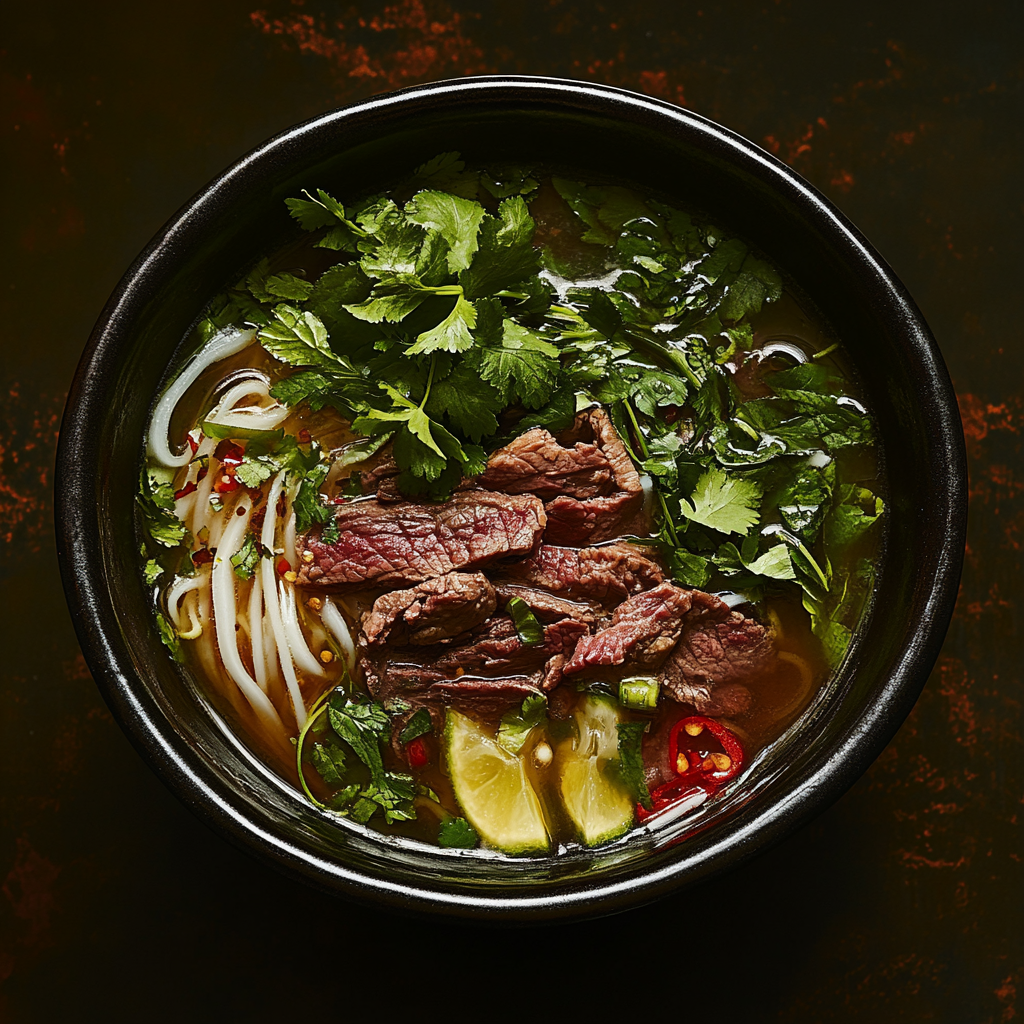
Understanding Pho Soup: Vietnam's National Dish in Austrian Context
Pho represents more than just a bowl of soup in Vietnamese culture. This aromatic broth with rice noodles has become a cornerstone of Vietnamese identity, carrying centuries of culinary tradition that now finds its way into international kitchens, including those in Vienna's diverse food scene.
The dish emerged in northern Vietnam during the early 20th century, likely influenced by French colonial presence and Chinese culinary techniques. What began as a humble street food has evolved into Vietnam's most recognizable culinary export, with each region developing distinct variations that reflect local preferences and available ingredients.
The Foundation: Understanding Pho Broth
The heart of authentic pho lies in its broth, a complex liquid that requires patience and technique to achieve properly. Traditional pho bo uses beef bones, particularly marrow and knuckle bones, which are charred over open flame before being simmered for hours. This charring process, often unfamiliar to European cooking traditions, creates depth and smokiness that distinguishes pho from other Asian broths.
Spices play an equally crucial role in developing the characteristic flavor profile. Star anise, cinnamon, cardamom, fennel seeds, and cloves are typically toasted and added during the long cooking process. These warming spices create the aromatic complexity that makes pho instantly recognizable, even to those encountering it for the first time.
The cooking process itself can take anywhere from 12 to 24 hours, with continuous skimming required to achieve the clear, clean appearance that marks quality pho. This time investment explains why authentic pho preparation demands dedication from Vietnamese restaurants operating in cities like Vienna.
Regional Variations and Their Characteristics
Northern Vietnamese pho, known as pho bac, tends toward simplicity and restraint. The broth remains lighter in color, with fewer herbs and vegetables accompanying the dish. This style emphasizes the pure flavor of the broth itself, allowing diners to appreciate the subtle interplay of beef and spice.
Southern pho presents a different philosophy entirely. Restaurants serving this style typically provide abundant fresh herbs, bean sprouts, lime wedges, and various sauces alongside the soup. Diners customize their bowl according to personal preference, creating a more interactive dining experience that appeals to those who enjoy personalizing their meals.
Central Vietnamese variations often incorporate elements from both traditions while adding regional ingredients that reflect the area's particular climate and agricultural products. This diversity means that Vietnamese restaurants can offer multiple interpretations of pho, each authentic within its regional context.
Noodle Selection and Preparation Techniques
Rice noodles used in pho require specific preparation to achieve the proper texture. These flat, white noodles are made from rice flour and water, then dried before use. The cooking process involves brief boiling followed by immediate rinsing in cold water to stop the cooking process.
Proper noodle texture should provide slight resistance when bitten, similar to the al dente concept in Italian pasta preparation. Overcooked noodles become mushy and absorb too much broth, while undercooked noodles remain tough and unpleasant to eat.
The noodle-to-broth ratio affects the entire eating experience. Vietnamese cooks typically use enough noodles to fill about one-third of the bowl, leaving ample space for broth and meat while ensuring each spoonful contains balanced proportions of all elements.
Meat Preparation and Traditional Cuts
Pho bo traditionally features various cuts of beef, each prepared differently to showcase unique textures and flavors. Rare beef slices, called "tai," are cut paper-thin and cooked by the hot broth when the soup is served. This technique requires skill with the knife and timing in service.
Well-cooked beef, or "chin," is simmered in the broth during cooking, becoming tender and infused with the aromatic flavors. Beef balls, tendon, and tripe represent more adventurous options that appeal to diners seeking authentic Vietnamese eating experiences.
Chicken pho, or pho ga, offers an alternative that uses similar aromatic principles but requires different cooking techniques to extract maximum flavor from poultry bones. The resulting broth tends to be lighter in color and flavor compared to beef versions.
Serving Traditions and Eating Etiquette
Traditional pho service involves specific presentation standards that enhance the dining experience. The broth is served extremely hot, often still bubbling when it reaches the table. This temperature is crucial for properly cooking any raw beef and releasing the full aromatic impact of the spices.
Fresh herbs including cilantro, Thai basil, and mint are typically served alongside the soup, allowing diners to add brightness and freshness to each spoonful. Lime wedges provide acidity that balances the rich broth, while chili sauce and hoisin sauce offer additional flavor dimensions.
Vietnamese eating customs suggest adding herbs and condiments gradually, tasting the broth in its pure form before making adjustments. This approach allows appreciation for the cook's intended flavor balance while accommodating individual preferences.
Pho's Place in Vienna's Culinary Landscape
Vienna's multicultural dining scene has embraced Vietnamese cuisine as residents and visitors seek authentic international experiences. The city's appreciation for traditional cooking methods and quality ingredients creates an environment where proper pho preparation can be appreciated and understood.
Austrian diners often find pho appealing because it shares certain qualities with traditional European soups - the long cooking process, emphasis on quality ingredients, and warming spices that provide comfort during colder months. This connection helps explain pho's growing popularity in Central European cities.
Restaurants like Buivien demonstrate how Vietnamese culinary traditions can thrive in Vienna's cosmopolitan environment, introducing local diners to authentic preparations while maintaining the cultural integrity that makes pho significant beyond its nutritional value.
Nutritional Aspects and Health Benefits
Pho provides substantial nutritional value through its combination of protein, carbohydrates, and vegetables. The long-simmered bone broth contains minerals and collagen that traditional Chinese medicine associates with joint health and digestive wellness.
The abundance of fresh herbs adds vitamins and antioxidants while contributing minimal calories. This combination of nutrients in a warming, satisfying format explains pho's reputation as both comfort food and healthy meal option.
The customizable nature of pho allows diners to adjust portions and ingredients according to dietary needs and preferences, making it accessible to various eating styles and restrictions.
FAQ
How long does it take to make authentic pho broth?
Traditional pho broth requires 12 to 24 hours of slow simmering to extract maximum flavor from bones and spices. This extended cooking time cannot be rushed without compromising the final result.
What's the difference between northern and southern Vietnamese pho?
Northern pho emphasizes the broth itself with minimal accompaniments, while southern pho includes abundant fresh herbs, vegetables, and sauces that diners add according to personal taste.
Can pho be made vegetarian or vegan?
Yes, vegetarian pho uses vegetable stock enhanced with mushrooms, seaweed, and similar aromatic spices to create depth without animal products. The cooking principles remain the same.
Why is the broth served so hot?
The extremely hot temperature serves multiple purposes: it cooks thin raw beef slices, releases aromatic compounds from spices, and maintains optimal eating temperature throughout the meal.
How should pho be eaten properly?
Start by tasting the pure broth, then gradually add fresh herbs and condiments. Use the soup spoon and chopsticks together - spoon for broth, chopsticks for noodles and meat.